
Roof Patch Repair Starts With the Right Diagnosis
Roof patch repair can stop a small, clearly identified leak when a roofing professional matches the patch material to the roof type, prepares a sound surface, and seals every edge and seam. In Brevard County, FL, strong UV exposure, wind uplift, heavy rain, and salt air can make a simple-looking leak more complex than it appears.
For a quick answer, a reliable patch repair usually involves:
- Finding the true entry point for water, not just the ceiling stain.
- Checking whether the roofing material, flashing, and roof deck are still sound.
- Using a compatible repair material for shingles, metal, EPDM, TPO, or another roof system.
- Cleaning, drying, reinforcing, and sealing the repaired area so water cannot work under its edges.
Roof cement is often useful for short-term asphalt repairs and loose shingles, while flexible sealants and membrane patches are commonly used around seams, flashing, and single-ply roofing. Product limits matter, especially in wet or cold weather; manufacturer application guidance for elastomeric roof patch materials shows why temperature, surface condition, and cure time should guide the repair plan.
MLG Roofing helps homeowners evaluate whether a localized patch is appropriate or whether hidden moisture, damaged decking, or widespread wear calls for a more comprehensive solution. Whether managing long-term roof repair and maintenance, scheduling targeted residential roof repairs, or seeking guidance during urgent roof repairs, accurate assessment remains the essential first step.
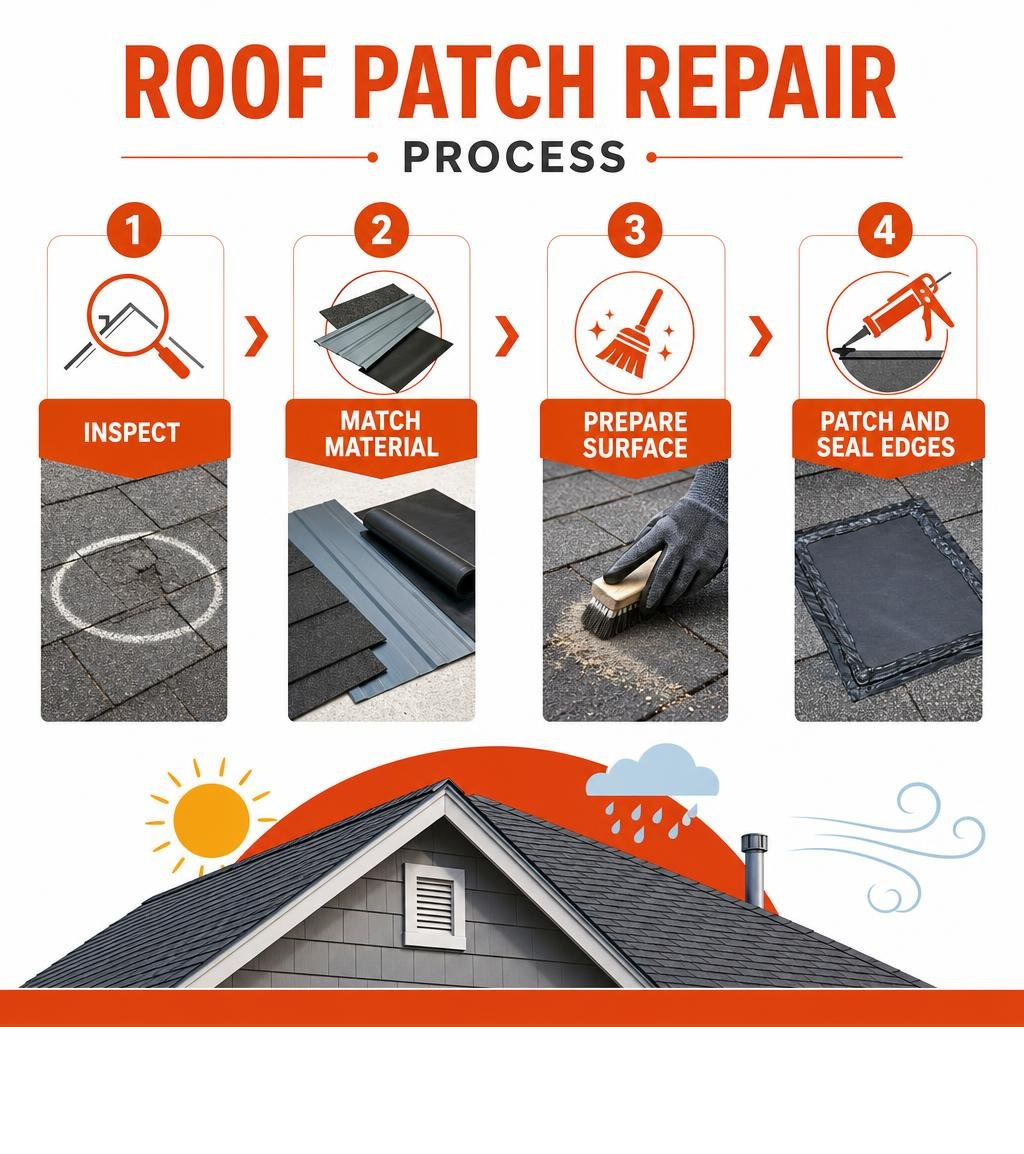
Way 1: Selecting the Right Materials for Roof Patch Repair
Choosing the proper repair formulation determines whether a roof patch holds fast through intense weather or fails during the next heavy storm. Roofing substrates expand and contract constantly in response to shifting temperatures and solar heating. Applying an incompatible repair compound creates a rigid bridge over a flexible surface, which inevitably leads to cracking, delamination, and renewed water intrusion.
Professional roofers evaluate material composition, chemical compatibility, and thermal performance specifications before selecting patching compounds. While standard asphalt mastic works well for asphalt shingles and modified bitumen, synthetic membranes such as EPDM or TPO require specialized elastomeric coatings or rubberized tapes. Metal roof systems demand flexible sealants that accommodate significant thermal movement while resisting rust formation.
Comparing Cement and Sealant for Roof Patch Repair
A frequent area of confusion involves the difference between roof cement and roof sealant. Though often used interchangeably in casual conversation, these materials serve distinct structural functions during roof patch repair.
Roof cement is a heavy-bodied asphalt emulsion combined with mineral spirits, reinforcing fibers, and performance additives. It functions like a heavy adhesive and filler, ideal for re-adhering lifted shingles, filling small punctures in roll roofing, or providing temporary emergency seals during active rain. However, traditional asphalt roof cement dries rigid over time and exhibits limited flexibility, making it susceptible to cracking under continuous structural movement.
Roof sealant is a highly flexible compound formulated from silicone, polyurethane, or acrylic polymers. Sealants are designed specifically for sealing joints, flashing transitions, and penetrations such as vent pipes, chimneys, and skylights. Modern silicone sealants, such as those specified in standalone repair systems, offer high ultimate elongation metrics. This flexibility allows the sealant to stretch and recover as roof materials expand during hot afternoons and contract during cool nights without pulling away from the substrate.
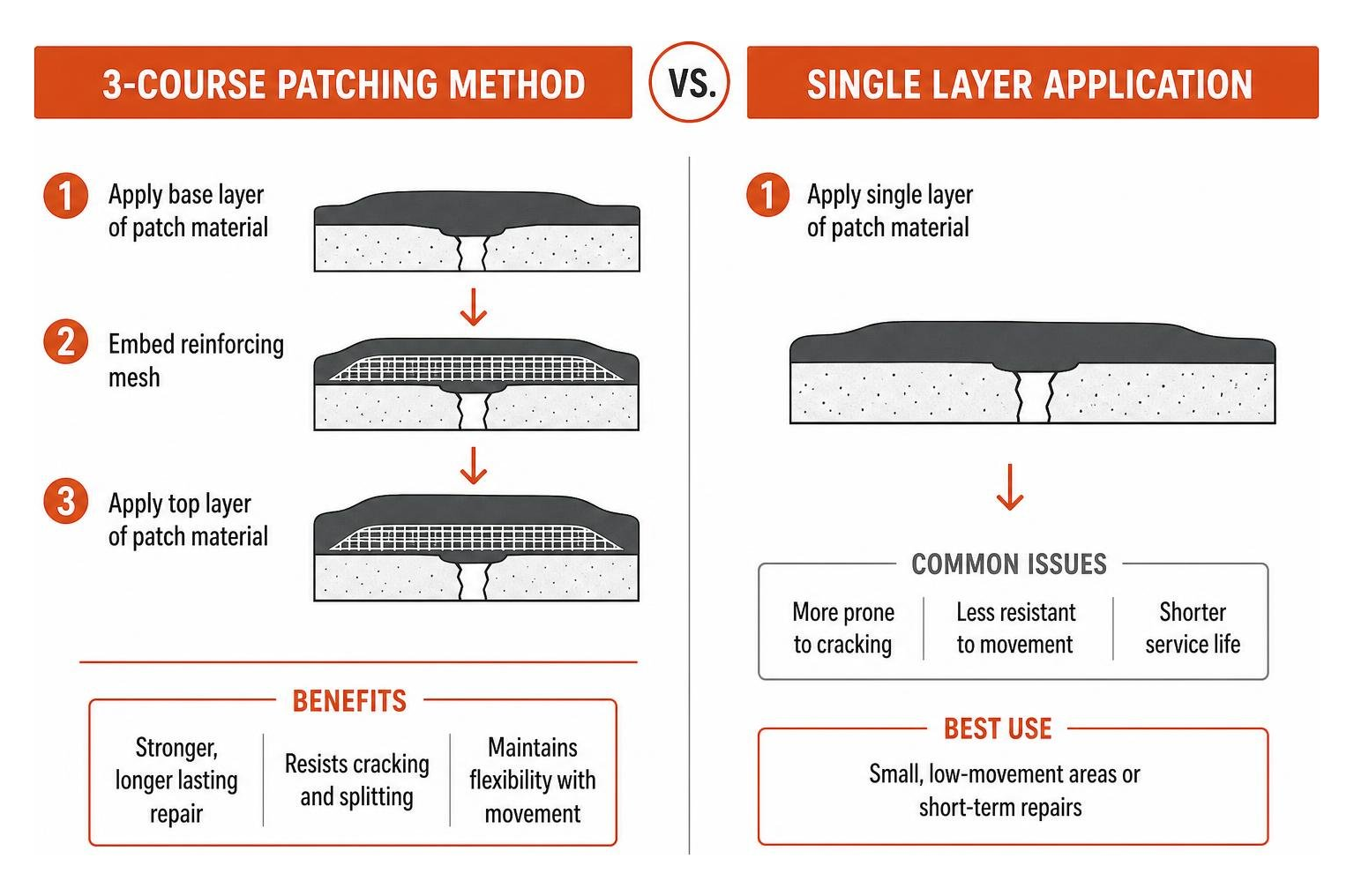
When technicians execute specialized patch roofing services, high-movement areas like roof valleys or expansion joints receive a three-course patching application. This time-tested professional methodology embeds a layer of reinforcing fiberglass or polyester mesh between two heavy applications of roof sealant or cement, giving the patch structural integrity while retaining necessary elasticity.
Substrate Compatibility Across Shingle, Metal, EPDM, and TPO Roofing
Matching repair compounds to exact roofing materials is essential for long-term patch survival. Applying solvent-based asphalt cement directly onto single-ply membranes like EPDM or TPO can cause severe chemical deterioration, swelling, and membrane degradation.
| Roofing Substrate | Recommended Patch Material | Required Surface Prep & Priming | Key Thermal & Weather Property |
|---|---|---|---|
| Architectural Asphalt Shingle | Asphalt mastic, elastomeric acrylic patch | Scrape loose granules, clear dust, dry substrate | Moderate flexibility, high adhesion to asphalt granules |
| Standing Seam Metal | Polyurethane, high-solids silicone sealant | Wire brush rust, apply acrylic/epoxy rust primer | High elongation, withstands extreme surface heat |
| EPDM Rubber Membrane | EPDM peel-and-stick patch, seam tape | Clean with membrane cleaner and scrub pad | Chemical bonding, extreme resistance to weathering |
| TPO Single-Ply | Heat-welded TPO patch, silicone repair compound | Solvent wipe, surface prep scrub | High UV reflection, ponding water resistance |
Single-ply EPDM membrane patches require at least two to three inches of overlap beyond the damage boundary. Specialized self-adhesive membrane patch products, such as those supplied in a commercial elastomeric repair kit, utilize specialized rubberized adhesives that create permanent molecular bonds with sound EPDM substrates when properly rolled.
Metal roofs in coastal locations face extreme surface temperatures during summer months. In these environments, flexible coatings engineered for broad service temperature ranges prevent localized patch failure and seam parting around mechanical fasteners.
Way 2: Executing Professional Preparation and Perimeter Edge Sealing
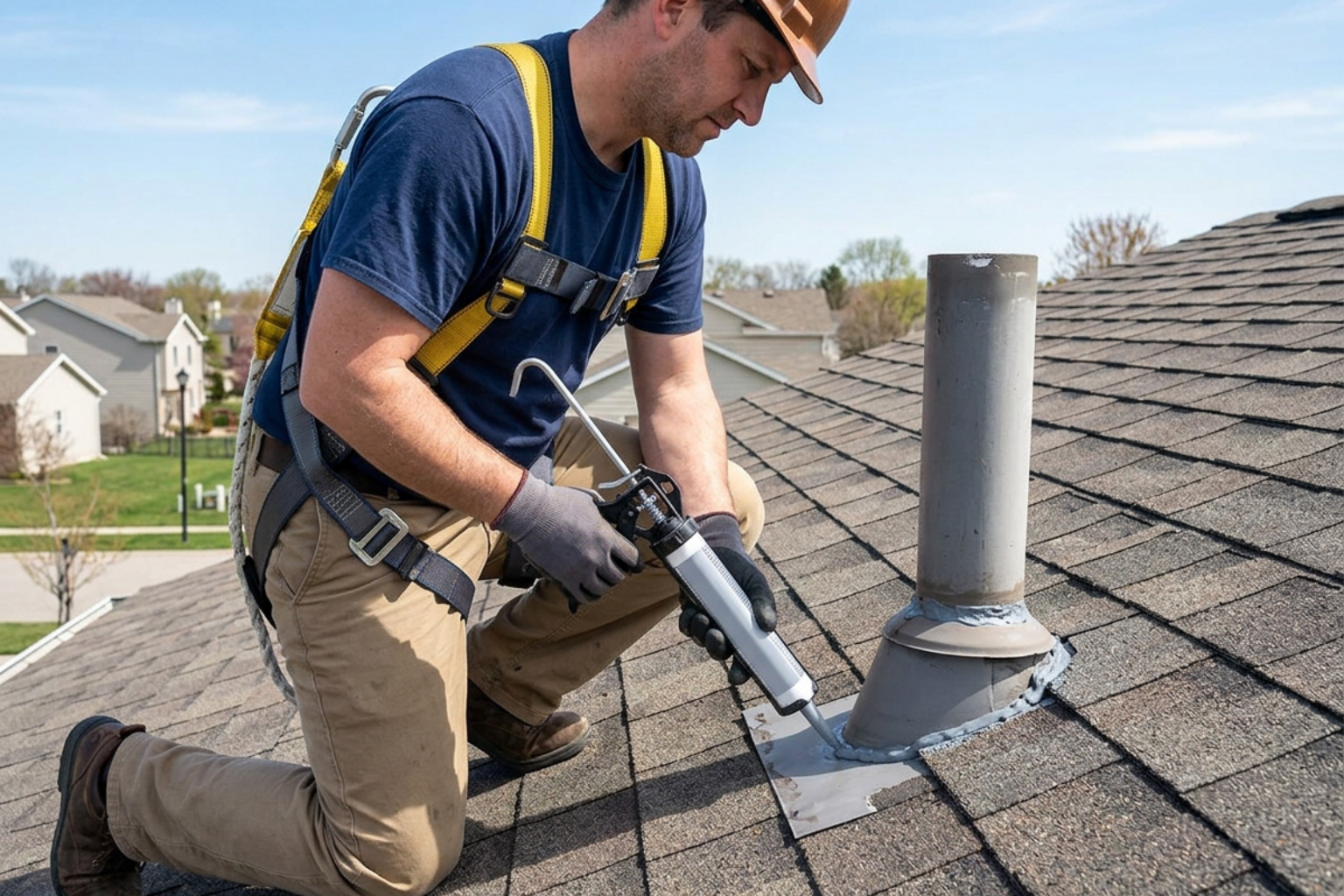
Even the most advanced commercial patch sealant will fail prematurely if applied over dirt, moisture, loose granules, or severe oxidation. Proper surface preparation accounts for the majority of a patch repair’s ultimate strength and longevity.
Roofing contractors follow strict preparation protocols before applying any repair compounds. This includes clearing accumulated debris, scraping away failed sealants, scrubbing organic growth like algae or moss, and assessing the underlying roof deck to ensure the wood substrate remains structurally sound.
Executing Proper Surface Prep for Roof Patch Repair
Surface preparation begins with a thorough cleaning of the damaged area extending at least 6 to 12 inches beyond the proposed patch border. On asphalt shingle roofs, loose or damaged shingles are carefully trimmed or replaced, and protruding roofing nails are removed or re-driven. On flat commercial or residential membrane roofs, contractors utilize specialized cleaning agents or pressure washing to strip away chalking, dirt, grease, and biological growth.
For metal roofing, wire brushing or sanding removes flaking paint and surface rust. Applying an acrylic rust-inhibitive primer over exposed metal prevents oxidation from spreading beneath the newly applied sealant.
When preparing membrane surfaces like EPDM, technicians use specialized scrub pads and membrane cleaners to remove surface oxidation. Failing to scrub away oxidation prevents self-adhesive membranes and lap sealants from achieving proper peel adhesion. Furthermore, contractors mark clear patch boundaries with chalk, maintaining a mandatory two-inch perimeter overlap around all sides of any puncture, split, or hole. Multiple overlapping patches over a single hole are avoided, as stacked layers create interior voids where water can collect.
Sealing Edges and Seams to Prevent Future Roof Leaks
Once the substrate is clean and completely dry, proper application techniques ensure water cannot migrate beneath the edges of the repair. Edge failure is the single most common reason a localized roof patch leaks. High wind uplift and driving rain push moisture against patch margins, seeking micro-fissures in the adhesive bond.
To establish an impenetrable perimeter, technicians apply a heavy, continuous bead of lap sealant along all exterior patch edges. Using a notched trowel or specialized tooling knife, the sealant is smoothed down to create a flush, featheredged transition between the patch and the surrounding roof surface.
For high-stress areas such as roof hips, valleys, and wall flashings, embedding a universal mesh fabric into the wet base coat provides structural reinforcement. The fabric absorbs multi-directional thermal stress and prevents the patch from splitting along substrate joints. Single-application high-solids silicone repair sealant can be applied on horizontal repairs without requiring reinforcing fabric, making them highly effective around complex roof penetrations and flashing details.
Way 3: Adapting Patching Techniques to Wet, Cold, and Coastal Weather
Florida weather patterns introduce significant challenges to roof maintenance and leak repairs. Intense afternoon thunderstorms, high humidity, salt-laden air, and tropical weather events demand specialized materials and timing.
While standard elastomeric acrylic patches require dry surfaces and moderate ambient temperatures to cure correctly, emergency leaks often occur during active rainstorms. In these emergency situations, contractors utilize rubberized wet-patch sealants formulated to displace water and adhere directly to wet substrates.
Working Within Temperature and Moisture Thresholds
Ambient temperature, substrate temperature, and relative humidity directly impact sealant dry times and chemical curing mechanisms. Traditional solvent-based asphalt mastics and elastomeric coatings release solvents or water vapor during curing. Standard elastomeric acrylic patches typically require several hours of dry time before recoating, reaching full cure under ideal conditions.
Cold ambient temperatures cause asphalt shingles to become brittle and drastically slow down solvent evaporation in adhesives, leading to soft, uncured patches that can wash away in heavy rain. Conversely, when surface temperatures rise significantly on metal roofs, solvent-based materials can flash off too quickly, forming surface skins that trap uncured compound underneath, causing bubbling and blistering.
For active emergency leaks during heavy downpours, specialized rubberized wet patches meet standardized performance testing for adhesion to damp or underwater surfaces. Technical product sheets like the wet-or-dry sealant product data confirm that specialized formulations can be applied in wet conditions across a broad range of operating temperatures.
However, solvent-based asphalt wet patches require an extended curing period before reflective aluminum or acrylic coatings can be painted over them, allowing trapped solvents to evaporate fully without destroying the topcoat reflective layer.
Temporary Quick Fixes vs. Permanent Repair Lifespans
It is vital to distinguish between emergency temporary fixes and long-term permanent repairs. An emergency patch applied in standing water during a storm stops active water intrusion to protect interior ceiling drywall and electrical systems, but it serves as an interim solution.
A professionally installed three-course elastomeric or silicone patch applied under optimal dry conditions can provide multi-year performance depending on local weather exposure and routine maintenance. However, recurring leaks, widespread membrane degradation, or extensive underlying deck rot signal that localized patching is no longer practical.
Homeowners evaluating localized repair needs against total system performance can read our guide on roof repair vs roof replacement to evaluate system age, damage extent, and long-term property protection goals.
When evaluating repair options, property owners must also consider financial planning, insurance documentation, and assistance programs. Insurance coverage depends on policy language, exclusions, deductibles, roof age, and carrier decisions. Maintaining accurate photos and leak logs keeps claims documentation clear. Additionally, Ordinance or Law coverage may assist with required building code upgrades during restoration, though policyholders should consult their insurer or legal advisor for specific policy coverage details.
The following table illustrates common financial tools available to property owners seeking roof restoration or emergency storm damage repairs:
| Assistance & Funding Option | Primary Source Type | Repayment Required? | Ideal Application Scenario |
|---|---|---|---|
| Primary Insurance Claim | Private Insurance Policy | No (Deductible applies) | Sudden, accidental storm damage or wind uplift |
| Municipal Housing Grant | Government / Local Agency | No | Low-to-moderate income home repairs and safety upgrades |
| Commercial Bank Loan | Financial Institution | Yes (Monthly installment) | Large-scale planned replacement or non-covered repairs |
| Contractor Financing Plan | Third-Party Lender | Yes (Variable terms/rates) | Immediate urgent repairs requiring flexible monthly payments |
It is important to note that government housing grants typically do not require repayment if eligibility criteria are maintained, whereas loans and contractor financing plans require regular monthly repayment with applicable interest.
Way 4: Prioritizing Safety and Avoiding Costly Patching Pitfalls
Roof maintenance carries significant physical hazards and structural risks. Steep roof pitches, fragile tile materials, elevated ridge heights, and wet surfaces create dangerous conditions that require full fall-protection systems, including professional safety harnesses, safety ropes, and secure anchor points.
In addition to physical safety risks, misdiagnosing roof damage or applying inappropriate materials frequently leads to accelerated roof decay and costly interior structural repairs.
Eliminating Common Errors in Roof Repair
One of the most frequent mistakes made during patch attempts is over-applying thick layers of asphalt roof cement around flashings, skylights, and sidewalls. Piling up heavy coats of rigid roof cement creates artificial dams that obstruct the natural downward flow of water across shingles. Trapped water pools behind the cement barrier, backing up under adjacent shingle laps and causing far more severe interior leaks than the original puncture.
Other common repair errors include:
- Applying patches over dirty, wet, or moss-covered surfaces without proper scrub cleaning, leading to total bond failure within weeks.
- Using mismatched shingle grades, weights, or styles that fail to interlock properly with existing courses.
- Failing to extend patch materials at least two inches past the edges of damaged areas or mechanical fasteners.
- Patching surface materials while completely ignoring active wood rot, soft plywood decking, or saturated interior insulation underneath.
- Applying non-breathable sealants over wet insulation, trapping moisture inside roof assemblies where it accelerates structural wood decay.
Why Professional Licensed Roofing Contractors Should Perform All Roof Repairs
Roof systems function as complex, engineered weather barriers where shingles, underlayment, drip edges, valley metals, and roof vents work in unison. A leak appearing above a ceiling may originate from a pipe boot or flashing joint located several feet away on a higher roof plane, as water travels down rafters before penetrating the ceiling joists.
Professional licensed roofing contractors possess specialized moisture detection equipment, thermal imaging tools, and extensive field experience needed to locate the precise origin of water intrusion. Furthermore, professional repairs ensure full compliance with applicable building codes and hurricane mitigation standards common to coastal Florida communities.
When handling severe weather damage or aging roof systems, homeowners can rely on expert roof repair services from MLG Roofing to ensure accurate diagnosis, code-compliant workmanship, and lasting protection.
Frequently Asked Questions About Roof Repairs
How long does a typical roof patch repair last?
A professionally installed roof patch using high-grade elastomeric or silicone materials can last several years depending on surface preparation, substrate condition, and environmental exposure. Emergency temporary patches applied in wet weather or standing water generally serve as short-term measures lasting a few weeks to several months until permanent repairs can be executed.
Can a roof leak be patched in wet or cold weather conditions?
Yes, specialized wet-patch rubberized asphalt sealants and solvent-based mastics are engineered to displace standing water and adhere to damp surfaces during active leaks. However, cold weather makes asphalt shingles brittle and slows compound curing times, while wet-surface patches should always be inspected and reinforced once dry weather returns.
What is the difference between roof cement and roof sealant?
Roof cement is a heavy asphalt-based emulsion reinforced with fibers, primarily used as a thick adhesive filler to re-secure loose shingles or fill small holes in asphalt assemblies. Roof sealant is a flexible synthetic compound formulated from silicone, polyurethane, or acrylic that exhibits high elasticity, making it ideal for sealing high-movement joints, vents, flashing transitions, and single-ply membrane seams.
Conclusion
A successful roof patch repair requires accurate leak diagnosis, correct material selection, meticulous surface preparation, and precise edge sealing. Whether addressing loose shingles following heavy coastal winds or sealing a worn flashing seam around a roof vent, choosing materials that match the substrate’s thermal expansion properties ensures long-term weather resistance.
In Brevard County, homes face severe UV exposure, driving tropical rains, and salt air that test every square inch of a roof system. While minor surface punctures can be resolved with localized elastomeric or silicone patch systems, widespread membrane cracking, persistent leaks, or decayed roof decking demand professional evaluation.
MLG Roofing provides comprehensive roof inspections, storm damage assessments, and long-lasting roof repair solutions across Melbourne, Palm Bay, West Melbourne, Rockledge, Viera, Merritt Island, Cocoa, and Sebastian. Ensuring your roof system is professionally maintained protects your property value, structural integrity, and interior living spaces for years to come.