
When Does a Commercial Roof Need Professional Repair?
If you’re dealing with commercial roof repairs in Melbourne, FL, here’s a quick overview of what matters most:
- Find a licensed, insured contractor with documented experience on commercial properties in Brevard County, FL
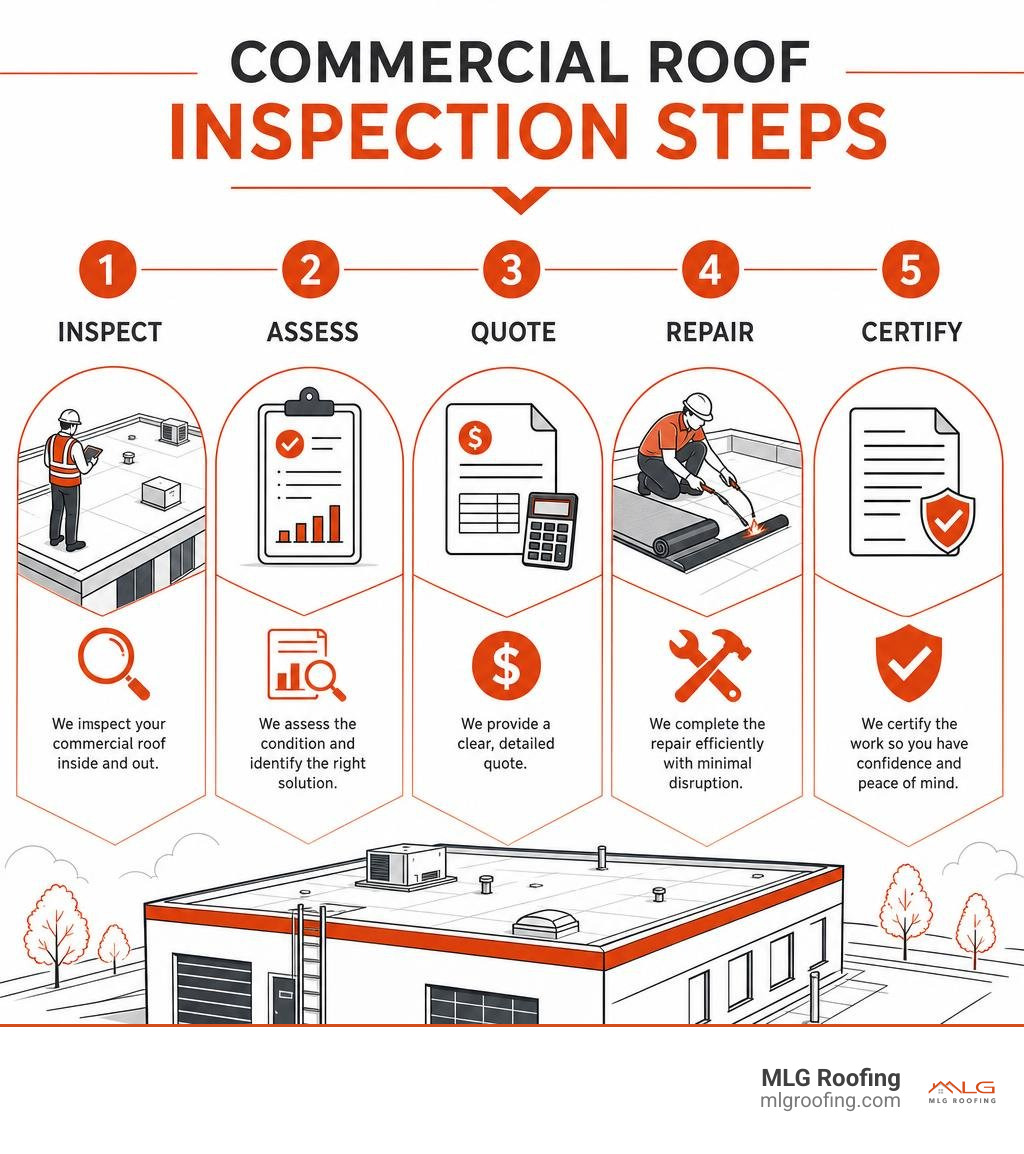
- Get a comprehensive inspection before agreeing to any repair, restoration, or replacement scope
- Common issues include active leaks, flashing failures, ponding water, membrane damage, and storm-related deterioration
- Most repairs can be completed with minimal disruption to daily business operations when planned properly
- Full commercial roof replacements in the Melbourne, FL area can vary in cost depending on roof size, materials, accessibility, and structural conditions
Why commercial roof repairs are different: Unlike residential roofs, commercial roofing systems often contain multiple HVAC penetrations, rooftop equipment, drainage systems, skylights, and larger uninterrupted roof areas. These factors require different repair methods, specialized materials, and careful project planning to keep businesses operating safely during construction.
Commercial properties along Florida’s Space Coast face a challenging combination of intense UV exposure, salt air, heavy seasonal rainfall, and high winds. These factors can steadily wear down roofing systems in ways that aren’t always visible from the ground.
For business owners, property managers, and facility managers in Brevard County, FL, a failing roof can lead to interrupted operations, damaged inventory, tenant complaints, and potential liability. The challenge is knowing when to act, what type of roof repair Melbourne FL businesses actually need, and how to find a contractor who understands the specific demands of commercial roof systems in this coastal environment.
This guide walks you through everything you need to make a confident, well-informed decision.
At MLG Roofing, we repair and replace commercial roofing systems throughout Brevard County for offices, retail buildings, warehouses, churches, and other commercial properties. One of the biggest challenges we see is that small leaks often go unnoticed until they begin disrupting business operations or damaging interior finishes. Early inspections and timely repairs are almost always less expensive than waiting for widespread damage to develop.
Understanding the Unique Challenges of Commercial Roofs in Melbourne, FL
Operating a commercial property in Melbourne, FL, or surrounding Space Coast communities like Palm Bay, FL, and West Melbourne, FL, requires a realistic understanding of local environmental stressors. Unlike inland regions, our coastal strip is subject to weather patterns that can accelerate the deterioration of commercial roof materials.
Wind uplift is one of the significant challenges for flat and low-slope commercial roofs in Brevard County, FL. High winds during tropical storms and hurricanes create a pressure differential that can lift the roofing membrane away from the structural deck. If the edges, flashing, or fasteners are slightly compromised, the wind can damage sections of the roof.
In addition to wind, the intense Florida sun delivers consistent UV exposure. Ultraviolet radiation breaks down the chemical bonds in roofing membranes like TPO, PVC, and modified bitumen, leading to aging, brittleness, and cracking. Business owners can also review NOAA hurricane preparedness guidance before storm season so they have an emergency plan in place before roof damage occurs.
Coastal properties in areas like Cocoa Beach, FL, and Satellite Beach, FL, also contend with constant salt air exposure. Salt can be highly corrosive to metal components, including flashing, fasteners, drainage systems, and metal panels. Without specialized coatings and marine-grade materials, these elements can rust, leading to hidden water intrusion.
To address these hazards, the Florida Building Code roofing requirements include wind-load, structural, and roof assembly standards for Florida buildings. Any commercial roof repairs in Melbourne, FL, must comply with current code requirements to help keep the building structurally sound.
Weather Impacts on Commercial Roof Repairs in Melbourne, FL
The weather patterns of coastal Central Florida dictate both the timing and the execution of commercial roof repairs. During the summer months, daily afternoon thunderstorms bring heavy rainfall that can quickly overwhelm commercial drainage systems. If a roof has minor defects, these heavy rains can result in interior leaks.
Thermal expansion is another major factor. Throughout the day, surface temperatures on a flat roof can reach high temperatures, causing the roofing materials to expand. As afternoon storms roll in, the sudden drop in temperature causes rapid cooling and contraction. These rapid temperature changes put stress on seams, flashing joints, and transition areas, which can eventually cause them to split.
When drainage systems are blocked or improperly sloped, ponding water occurs. Standing water that remains on a flat roof for extended periods can degrade the protective coatings, strain the structural decking, and increase the likelihood of a leak. For flat warehouses, manufacturing facilities, and logistics buildings, industrial roof repairs Melbourne property owners request often begin with drainage, membrane, and flashing problems caused by repeated storm exposure. When emergency issues arise after a severe storm, securing a rapid response from a local contractor is vital. For immediate assistance with sudden leaks, business owners can utilize emergency roof repair in Brevard County, FL to stabilize the structure and help prevent further interior damage.
Key Indicators That Your Property Needs Commercial Roof Repairs in Melbourne, FL
Catching roofing issues early is an effective way to avoid expensive structural damage and operational downtime. Business owners, property managers, and facility managers in Rockledge, FL, Viera, FL, and Merritt Island, FL, should train their maintenance staff to look for key warning signs during routine property walkthroughs.
- Active Leaks: Water dripping into the workspace, stained ceiling tiles, or mold growth along interior walls are indicators of water penetration.
- Flashing Failures: Flashing seals the transitions around vents, HVAC units, skylights, and parapet walls. If the flashing is rusted, bent, or pulling away, water can slip behind it.
- Membrane Blistering: On flat roofs, trapped moisture or air beneath the membrane expands under the Florida sun, creating visible bubbles or blisters. If left unaddressed, these blisters can open and create pathways for leaks.
- Rusted Metal: Corroded metal panels, fasteners, or structural trim indicate that salt air has compromised the protective coatings, requiring treatment or replacement.
Professional contractors conducting thorough assessments will perform detailed decking inspections to ensure the underlying wood or metal structure has not rotted or warped. Additionally, they will verify the integrity of the secondary water barrier, which acts as a backup layer of protection beneath the primary roofing material under the Florida Building Code. If you spot active water intrusion, scheduling an inspection through a specialist in emergency leaking roof repair in Brevard County, FL is a reliable way to pinpoint the source of the leak before it spreads.
Common Causes of Commercial Roof Leaks in Melbourne, FL
Most commercial roof leaks can be traced back to a few common culprits. Blocked drains and scuppers are common in heavily treed areas of Titusville, FL, and Sebastian, FL. When organic debris builds up, rainwater can back up onto the roof surface, causing localized ponding and seam failures.
Seal strip damage is another frequent issue. Wind-driven rain can get forced under shingles or membrane seams if the adhesive seal strips have degraded from age or UV exposure. Once the seal is broken, subsequent wind events can lift and damage the roofing material.
Finally, coastal corrosion can degrade the structural fasteners and metal flashings that keep the roof secure. When these metal components fail, the entire system can lose its wind resistance and water-tightness. Because roof repairs Melbourne businesses need are often caused by several small failures working together, understanding how these elements fail is key to long-term property protection; you can read more about proactive maintenance strategies in our expert guide to roof repair and maintenance.
Repair, Restoration, or Replacement: Evaluating Your Options
When a commercial roof shows signs of age or damage, business owners, property managers, and facility managers face a decision: should they repair, restore, or completely replace the system?
A simple repair is a cost-effective choice when the damage is localized. For example, if a storm damages a small section of a TPO membrane or a single piece of flashing, a targeted roof repair Melbourne FL property owners schedule promptly can resolve the issue quickly.
Roof restoration is a viable middle-ground option for older roofs that are structurally sound but nearing the end of their design life. Restoration typically involves cleaning the surface, reinforcing all seams, repairing minor defects, and applying a high-performance elastomeric or silicone roof coating on flat systems. This process can extend the roof’s lifespan significantly at a lower cost than a full replacement. Roof restoration is only appropriate when the existing roof remains structurally sound and the manufacturer or coating system supports restoration.
A full replacement becomes necessary when a major portion of the roof is damaged, if there is widespread moisture trapped within the insulation, or if the structural decking has been compromised. While the upfront investment is higher, a new installation ensures compliance with modern wind-load ratings and provides long-term service.
| Feature | Targeted Repair | Roof Restoration | Full Replacement |
|---|---|---|---|
| Typical Cost | Low | Moderate | Higher |
| Lifespan Extension | Short-term | Extended | Long-term |
| Business Disruption | Minimal | Low to Moderate | Moderate to High |
| Code Compliance | Localized | Maintains Existing | Full Upgrade to Current Codes |
For a deeper dive into how to weigh these choices for your specific building, consult our guide on roof repair vs roof replacement in Melbourne, FL.
Material Selection and Commercial Roof Repairs in Melbourne, FL
Selecting the right material is essential for ensuring your commercial roof can withstand the coastal climate of Brevard County, FL. Commercial properties may use several different roof systems depending on slope, drainage, building use, budget, and exposure to salt air.
Single-ply TPO (Thermoplastic Polyolefin) membranes are popular for flat and low-slope roofs. TPO is reflective, which helps lower energy bills by reducing heat absorption. It also features hot-air welded seams that provide strength against wind uplift.
PVC roofing is another single-ply option for low-slope commercial buildings. It offers strong seam performance and chemical resistance, which can make it useful for restaurants, industrial properties, and buildings where grease, oils, or other contaminants may be present.
EPDM is a synthetic rubber roofing membrane that is more common in northern states than in Florida. While it is not typically the first choice for many coastal Florida commercial roofs, it is still worth understanding because some existing buildings may already have EPDM systems that require inspection, repair, or replacement planning.
Modified bitumen is another durable option, especially for buildings that experience regular foot traffic for HVAC maintenance. It consists of asphalt wear layers reinforced with fiberglass or polyester, offering puncture resistance.
Metal roofing remains a durable choice for sloped commercial buildings in coastal areas like Indian Harbour Beach, FL, and Cocoa, FL. While metal requires a higher initial investment, marine-grade metal systems coated with aluminum-zinc alloys offer coastal corrosion resistance and can withstand high wind speeds when properly installed. For larger facilities, industrial roof repairs Melbourne contractors perform may involve a combination of membrane patching, metal flashing replacement, coating work, and drainage improvements rather than one isolated fix.
| Roofing System | Best Application | Typical Lifespan | Maintenance |
|---|---|---|---|
| TPO | Offices, retail buildings, and low-slope commercial roofs | 20–30 years | Low |
| PVC | Restaurants, industrial facilities, and roofs exposed to grease or chemicals | 20–30 years | Low |
| Modified Bitumen | High-traffic roofs with frequent HVAC or maintenance access | 20+ years | Moderate |
| Metal | Sloped commercial buildings and coastal properties needing long-term durability | 40–50+ years | Low |
To explore the ideal materials and repair methods for your property, you can view our dedicated resources at commercial roof repair services.
How to Select a Qualified Contractor in Brevard County, FL
Commercial roof systems are complex, requiring specialized equipment, materials, and safety protocols. Hiring an unqualified contractor can lead to code violations, failed inspections, and recurring leaks.
When searching for a commercial roof repair specialist, verify that they hold an active license with the state of Florida and carry comprehensive liability and workers’ compensation insurance. Local experience is invaluable; a contractor who regularly works in Palm Bay, FL, or Rockledge, FL, will be familiar with local permitting processes and the specific wind-mitigation requirements of the Florida Building Code.
Additionally, ensure the contractor is well-versed in safety standards. Commercial projects often require specialized equipment and fall-protection systems to protect both the workers and the occupants of the building. OSHA’s fall protection requirements help explain why professional commercial roofing projects involve specialized safety equipment, controlled work zones, and trained crews.

To find reputable local professionals who understand these requirements, check out our list of verified roofing companies in Melbourne, FL.
Essential Questions to Ask a Commercial Roof Contractor
Before signing any contract, ask the following questions to protect your investment:
- Are you licensed and insured to perform commercial work in Brevard County, FL? Request physical copies of their active licenses and insurance certificates.
- What workmanship warranties do you offer? Ensure you receive a written warranty covering both the installation labor and the manufacturer’s materials.
- How will you minimize business disruption? Ask for a detailed project schedule, staging plan, and safety protocol to ensure your daily business operations can continue safely.
- Do you have experience working around occupied commercial buildings? A qualified commercial contractor should be able to coordinate repairs around tenants, employees, customers, and normal operations without creating unnecessary interruptions.
- Do you handle the permitting process? A professional contractor should manage all local building permits and inspections from start to finish.
For more tips on vetting local contractors, read our guide on professional roofers in Melbourne, FL.
Frequently Asked Questions About Commercial Roofs in Brevard County, FL
How often should commercial roofs in Melbourne, FL be inspected?
Commercial roofs in Brevard County, FL, are typically inspected twice a year—ideally in the spring before hurricane season begins, and in the fall after it ends. Regular inspections allow business owners, property managers, and facility managers to identify and address minor issues like clogged drains or minor seam separations before they turn into major interior leaks. The National Roofing Contractors Association also emphasizes planned maintenance and inspection procedures as part of protecting a commercial roof investment and extending service life. For buildings that need a proactive plan, roof maintenance services can help extend roof life and reduce the risk of emergency repairs. Additionally, scheduling a professional inspection following any major storm event is highly recommended.
Can commercial roof repairs be completed without closing my business?
In many cases, yes. A qualified commercial roofing contractor can often phase the work, isolate active repair areas, protect entrances and inventory, coordinate noisy tasks around peak business hours, and maintain safe access for employees, tenants, customers, and vendors. If the damage is storm-related or involves active leaks, emergency roof repair or storm damage roof repair may be needed first to stabilize the building before a larger repair or replacement plan is finalized.
What are the best roofing materials for the coastal Florida climate?
For flat or low-slope commercial buildings, TPO and PVC membranes are often recommended due to their reflective properties, chemical resistance, and strong welded seams. Modified bitumen can be a strong option for roofs with more maintenance traffic, while metal roofing systems coated with specialized anti-corrosive finishes offer reliable long-term protection for sloped commercial roofs exposed to high winds and salt air. EPDM is less common in Florida than in colder northern climates, but existing EPDM roofs should still be inspected and repaired by a contractor familiar with commercial membrane systems.
How can business owners, property managers, and facility managers minimize operational disruption during repairs?
A professional commercial roof contractor will work with you to plan the project in phases. This can include tenant coordination, protecting inventory and equipment, scheduling noisy or disruptive tasks outside peak operating hours, setting up secure staging areas for materials, and using phased scheduling to keep portions of the building operational whenever possible. The goal is to minimize downtime while maintaining safe access for employees, tenants, customers, and vendors throughout the repair process. If the roof condition is borderline, reviewing roof repair vs. roof replacement can also help commercial decision-makers understand when a targeted repair is enough and when a larger scope may be more practical.
Is industrial roof repair different from standard commercial roof repair?
Often, yes. Industrial buildings may have larger roof areas, heavier HVAC loads, more penetrations, chemical exposure, or stricter operational requirements than smaller commercial properties. Because of that, industrial roof repairs Melbourne facility managers request should include a careful inspection of drainage, membrane condition, flashing, structural decking, and work-area safety before the repair scope is finalized.
Conclusion
Your commercial roof is a major asset that protects your employees, tenants, inventory, and business operations. By choosing a qualified, locally experienced contractor who understands the unique weather and building codes of Brevard County, FL, business owners, property managers, and facility managers can help ensure their roof remains durable and compliant for years to come.
Whether you need a minor leak repaired in Sebastian, FL, or a full system replacement in Melbourne, FL, investing in quality workmanship and proactive maintenance is a reliable way to safeguard your property.
Routine inspections, timely repairs, and proactive maintenance help commercial property owners extend roof life, reduce unexpected downtime, and better protect long-term capital investments.
For professional guidance, detailed inspections, and reliable roofing solutions tailored to the Space Coast, contact the local experts at MLG Roofing today.