
Understanding Architectural Roof Tiles and Dimensional Shingle Design
When exploring options for a roof replacement, understanding product construction helps clarify why premium products perform differently over time. Traditional basic roofing often relies on flat, single-layer 3-tab asphalt shingles. In contrast, dimensional architectural shingles feature multi-layer lamination where two or more distinct fiberglass mats are bonded together. This multi-layered build creates high-definition shadow lines, contouring, and rich visual depth that elevates exterior curb appeal.
Property owners often weigh these design benefits when exploring the pros and cons of shingle roofs across coastal neighborhoods. Beyond their visual depth, laminated shingles utilize a significantly heavier fiberglass mat base embedded in water-resistant asphalt and surfaced with ceramic-coated mineral granules. These granules reflect harmful ultraviolet rays, seal the asphalt core from moisture intrusion, and protect the roof deck during extreme weather events.
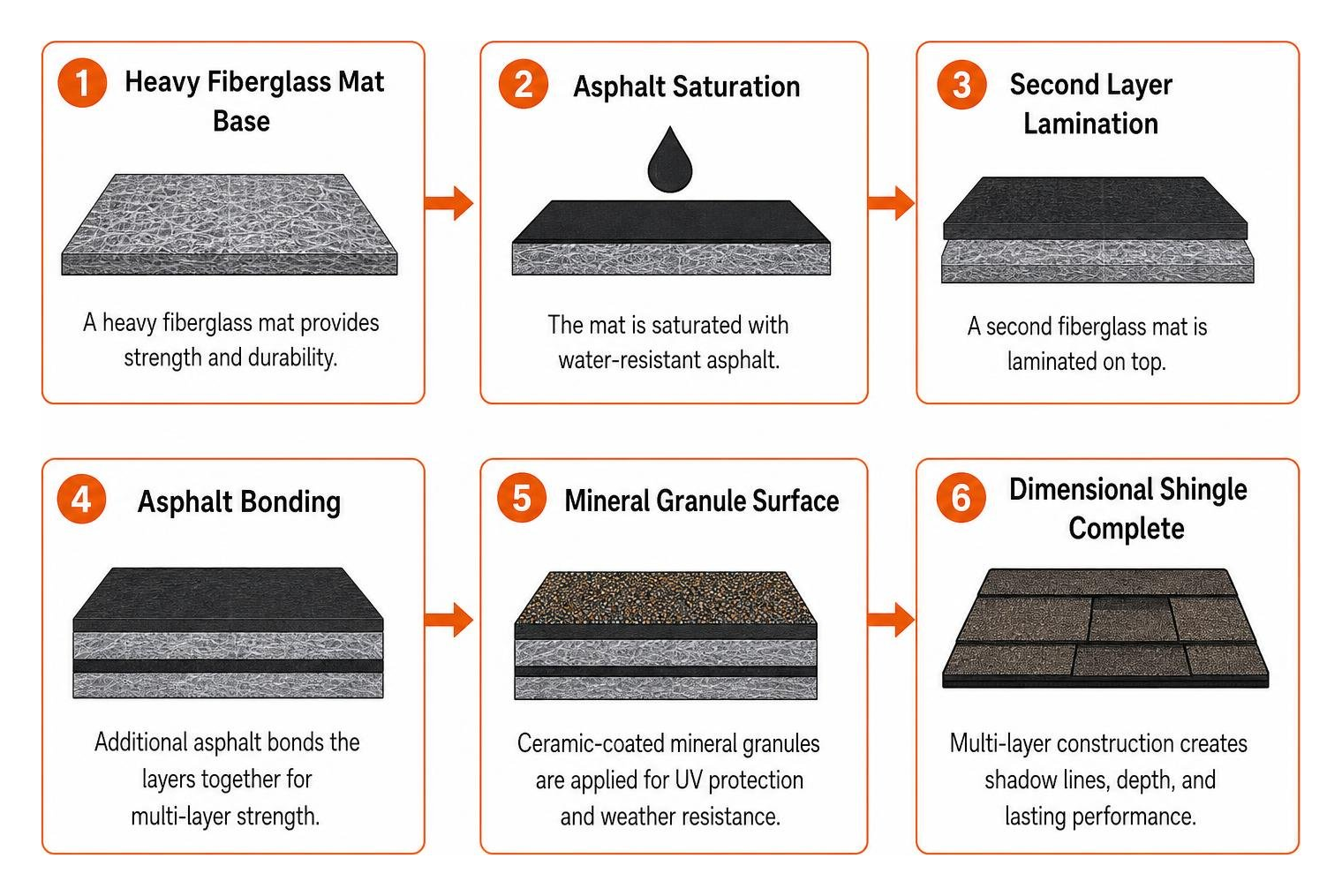
Because of their physical thickness and specialized manufacturing, modern dimensional shingles can accurately simulate natural textures, including hand-split wood shakes and quarried slate. These products deliver a refined aesthetic without requiring the specialized structural reinforcements often demanded by heavy, quarried stone.
Comparing Material Types: From Terra Cotta and Slate to Synthetics and Metal
Selecting the ideal roofing system requires balancing aesthetics, engineering limits, and overall lifecycle value. From historic coastal architecture in Melbourne to modern properties in Rockledge and Viera, homeowners can choose from a broad spectrum of architectural roof tile products.
| Material Type | Typical Weight (per Square) | Expected Service Life | Primary Aesthetic Profiles | Initial Investment Tier |
|---|---|---|---|---|
| Architectural Asphalt | 220 – 350 lbs | 25 – 30+ Years | Laminated Shake, Simulated Slate | Economical to Moderate |
| Natural Clay / Terra Cotta | 600 – 1,165 lbs | 50 – 100+ Years | Spanish S-Tile, Mission, Interlocking French | High |
| Synthetic / Composite | 150 – 350 lbs | 40 – 50+ Years | Hand-Split Shake, Chiseled Slate, Barrel | Moderate to High |
| Architectural Metal / Copper | 140 – 220 lbs | 40 – 70+ (100+ Copper) Years | Standing Seam, Stamped Tile, Spanish Barrel | Moderate to Premium |
| Natural Quarried Slate | 800 – 1,500+ lbs | 75 – 100+ Years | Traditional Smooth, Rough Chiseled | Very High |
Reviewing this comprehensive guide to roofing materials for Florida homes reveals how each profile performs under intense sunshine, wind-driven rain, and humid coastal air.
Natural Clay and Terra Cotta Architectural Roof Tiles
Natural terra cotta roof tiles represent one of the oldest and most durable forms of exterior shelter. Manufactured from natural earth clays and fired in kilns at temperatures between 1800°F and 2000°F, these tiles achieve exceptional density and weather resistance. Profiles range from classic S-barrel designs to high-performance interlocking systems, as detailed in the Architectural Terra Cotta Catalog.

Many architectural profiles trace their roots back centuries, including traditional imbrex and tegula tile design. Modern manufacturers produce interlocking barrel, flat slab, and textured shake styles that meet rigorous ASTM C1167 Grade 1 standards. These units offer built-in thermal mass, allowing them to absorb daytime solar heat and release it gradually at night, which helps stabilize indoor temperatures in warm climates.
Synthetic and Composite Architectural Roof Tiles
Engineered polymer formulations and recycled composites have emerged as advanced solutions for modern homes. Synthetic tiles combine refined polymers, recycled plastics, and rubber modifiers to recreate the appearance of natural cedar shakes or heavy quarried slate.
Because they are molded from authentic natural patterns, composite tiles capture subtle grain lines, chiseled edges, and organic surface variations. Engineered tiles regularly achieve UL 2218 Class 4 impact ratings and Class A fire resistance without requiring chemical treatments. Their lightweight structural design makes them easy to install over standard roof framing, eliminating the need for expensive truss retrofits.
Architectural Metal Tiles and Natural Stone Slate
Architectural metal tiles combine lightweight durability with weather protection. Formed from steel, aluminum, or copper, stamped metal tiles mimic the appearance of barrel clay or slate while weighing only a fraction of traditional masonry products.
Specialty materials like solid copper Mediterranean tile specifications provide decades of corrosion resistance, gradually developing a protective patina that shields the underlying metal from salt spray in coastal zones like Satellite Beach and Cocoa Beach. Homeowners can consult this modern metal roofing guide to evaluate how high-tensile stamped panels withstand intense storm seasons while delivering lasting curb appeal.
Natural quarried slate remains a premier roofing choice, offering service lives that can exceed a century. However, slate tiles demand heavy roof framing and experienced masonry craftsmanship to install properly.
Performance Factors: Wind Uplift, Impact Ratings, and Energy Efficiency
Living along the Space Coast requires exterior building materials engineered to endure high winds, heavy thunderstorms, and intense sun exposure.
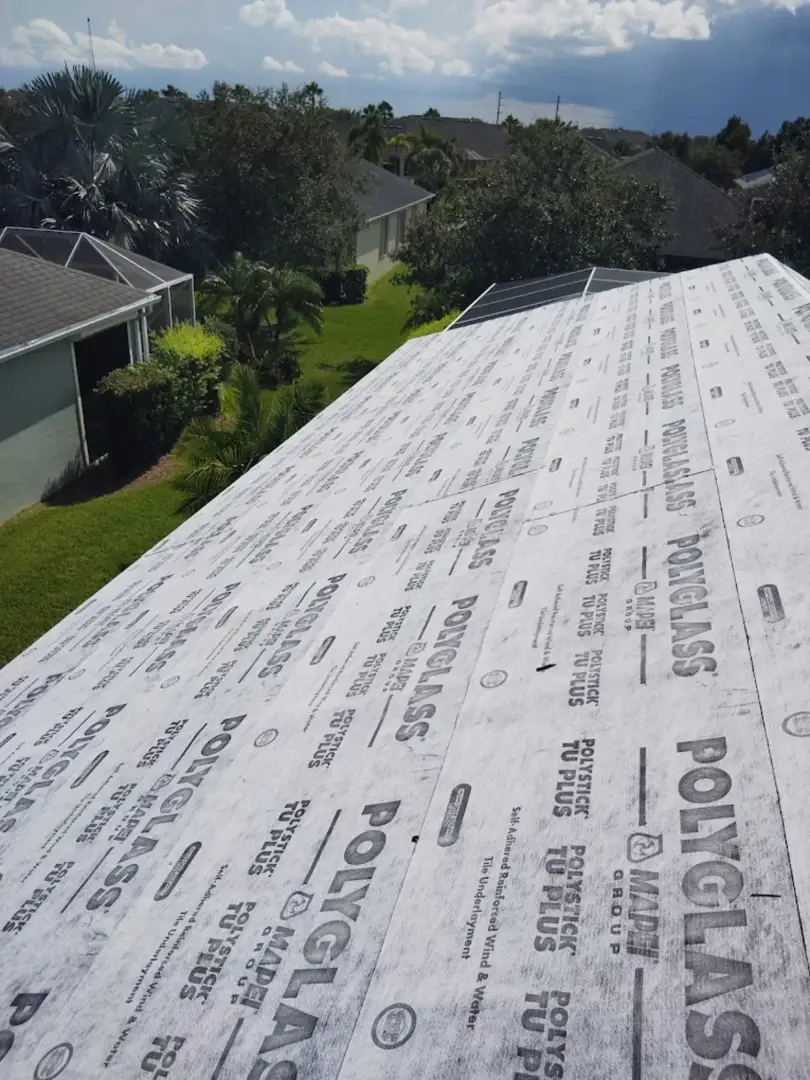
A high-performance roof assembly depends on proper underlayment, precise fastener placement, and storm-ready perimeter flashing. Homeowners learning how to choose the best roofing material for Florida weather must evaluate how different components work together as a complete protective barrier against water penetration and uplift forces.
Solar Reflectance and Attic Ventilation Performance
Roofing materials play a central role in managing residential energy use. The Solar Reflectance Index (SRI) measures a surface’s ability to reflect solar heat and release absorbed thermal energy. Products with high SRI values prevent intense heat buildup on the roof deck, keeping attics cooler and lowering air conditioning demand.
Homeowners often find that understanding why energy efficient roofing is a smart investment clarifies the relationship between surface cooling granules, ventilated batten systems, and monthly utility expenses. Pair reflective cool-roof surfaces with balanced intake and exhaust ventilation to help minimize heat transfer into living spaces below.
Severe Weather Protection and Impact Resistance
Severe weather testing measures how well roofing materials hold up against hail, flying debris, and tropical storm-force winds. The UL 2218 Class 4 steel ball drop test is the industry standard for impact resilience; materials that pass this test demonstrate superior resistance to cracking, denting, and granule loss.
Modern laminated shingles and interlocking tiles incorporate reinforced nailing zones and robust interlocks engineered for wind warranties up to 130 MPH or 150 MPH. Premium systems often utilize self-adhering modified bitumen underlayments directly on the roof deck. This secondary water barrier helps keep water out even if high winds dislodge individual surface tiles.
Structural Weight, Professional Installation, and Long-Term Value
A successful roofing project balances upfront material expenses with structural requirements and installation craftsmanship.
Homeowners reviewing financial options should understand the differences between programs:
| Program Type | Upfront Out-of-Pocket | Repayment Required? | Typical Qualification Drivers |
|---|---|---|---|
| Government Assistance Grant | Minimal to None | No (Non-repayable assistance) | Income limits, storm mitigation eligibility, local program funding |
| Property Improvement Loan | Low to Moderate | Yes (Monthly principal + interest) | Credit profile, debt-to-income ratio, home equity |
| Contractor Financing Plan | Varies by Promotion | Yes (Fixed term installment payments) | Approved credit, lending partner underwriting |
Grants typically do not require repayment while loans and financing products require ongoing scheduled payments, making it important to evaluate your budget carefully before selecting a funding path. Homeowners should take time when choosing the right roofing material for their budget to weigh total ownership costs rather than focusing solely on day-one estimates.
Roof Load Capacity and Framing Requirements
Structural load capacity is a critical engineering consideration when choosing between standard shingles, lightweight composites, and heavy masonry tiles. Dead load refers to the permanent weight of the roofing materials, underlayment, decking, and structural framing.
Standard residential roofs are commonly engineered for lighter materials weighing under 400 pounds per square. Installing heavy natural clay or quarried slate—which can weigh from 600 to over 1,000 pounds per square—may require a professional structural inspection. An evaluation by a licensed engineer verifies whether roof trusses, rafters, and load-bearing walls need reinforcement before installation begins.
Lifespan Comparison and Warranty Coverage
Long-term roofing performance depends on both the surface material and its underlying components:
- Surface Material Durability: Natural clay, slate, and high-grade metals can last 50 to 100+ years, while quality architectural asphalt and synthetic tiles typically deliver 25 to 50 years of service.
- Underlayment Lifespan: Premium synthetic felts and self-adhering membranes usually provide 25 to 30 years of reliable protection before needing renewal during scheduled maintenance.
- Flashing and Sealants: Valley metals, chimney flashings, and wall transitions require periodic professional inspections to identify and address minor sealant wear early.
- Manufacturer Warranty Terms: High-grade architectural tiles often feature extended non-prorated material warranties that provide peace of mind against manufacturing defects.
Frequently Asked Questions About Architectural Roof Tiles
What is the difference between architectural roof tiles and standard 3-tab shingles?
Architectural shingles feature a laminated multi-layer fiberglass construction that creates visual depth, pronounced shadow lines, and superior durability. Standard 3-tab shingles consist of a single, flat layer with cutouts. Because architectural products are heavier and utilize stronger mats, they generally offer higher wind uplift warranties, superior impact resistance, and longer service lifespans.
How long do synthetic and clay architectural tiles typically last?
Fired clay and terra cotta tiles can last from 50 to more than 100 years when properly maintained, thanks to their natural resistance to rot and UV degradation. High-quality synthetic composite tiles typically deliver a service life of 40 to 50 years. In both systems, maintaining the underlying waterproof membrane ensures the roof deck remains protected over the life of the home.
Does installing architectural tiles require extra roof structural support?
It depends on the specific material selected. Lightweight synthetic tiles, stamped metal panels, and architectural asphalt shingles typically do not require structural framing upgrades. However, heavy natural clay, concrete, or stone slate tiles often require an on-site structural evaluation to confirm your roof trusses and decking can safely support the added dead load.
Conclusion: Investing in High-Performance Architectural Roofing
Upgrading your home with premium architectural roof tiles enhances curb appeal, strengthens storm protection, and delivers lasting property value. Whether you choose the rich dimensionality of laminated shingles, the classic elegance of terra cotta, or the modern durability of lightweight synthetic profiles, selecting the right material tailored to the Space Coast climate ensures dependable performance for decades to come.
Deciding between roof repair and a full replacement depends on the overall extent of wear, roof age, local permitting guidelines, and a comprehensive in-person evaluation. MLG Roofing provides detailed property assessments, roof leak repairs, storm damage restoration, and complete replacements for homeowners across Melbourne, Palm Bay, West Melbourne, Rockledge, Viera, Merritt Island, Cocoa, and Sebastian.
For professional guidance on selecting, installing, or repairing your roofing system, turn to the experienced team at MLG Roofing for tile roofing installation in Brevard County, FL.