
How to Source Reclaimed Roof Tiles in Brevard County, FL
Reclaimed roof tiles are clay, slate, or concrete tiles removed from an older roof and saved for reuse. To source them for a home on the Space Coast, start with architectural salvage yards or dealers that can show you a full batch, not just a sample. Compare the tile’s size, shape, and color with your existing roof, and ask how the batch was sorted for damage.
A close match is only part of the decision. Coastal wind and rain make tile condition and installation important, so have a qualified roofer assess whether the tiles and roof system are suitable before you buy. This guide explains what to look for and what to ask the seller.
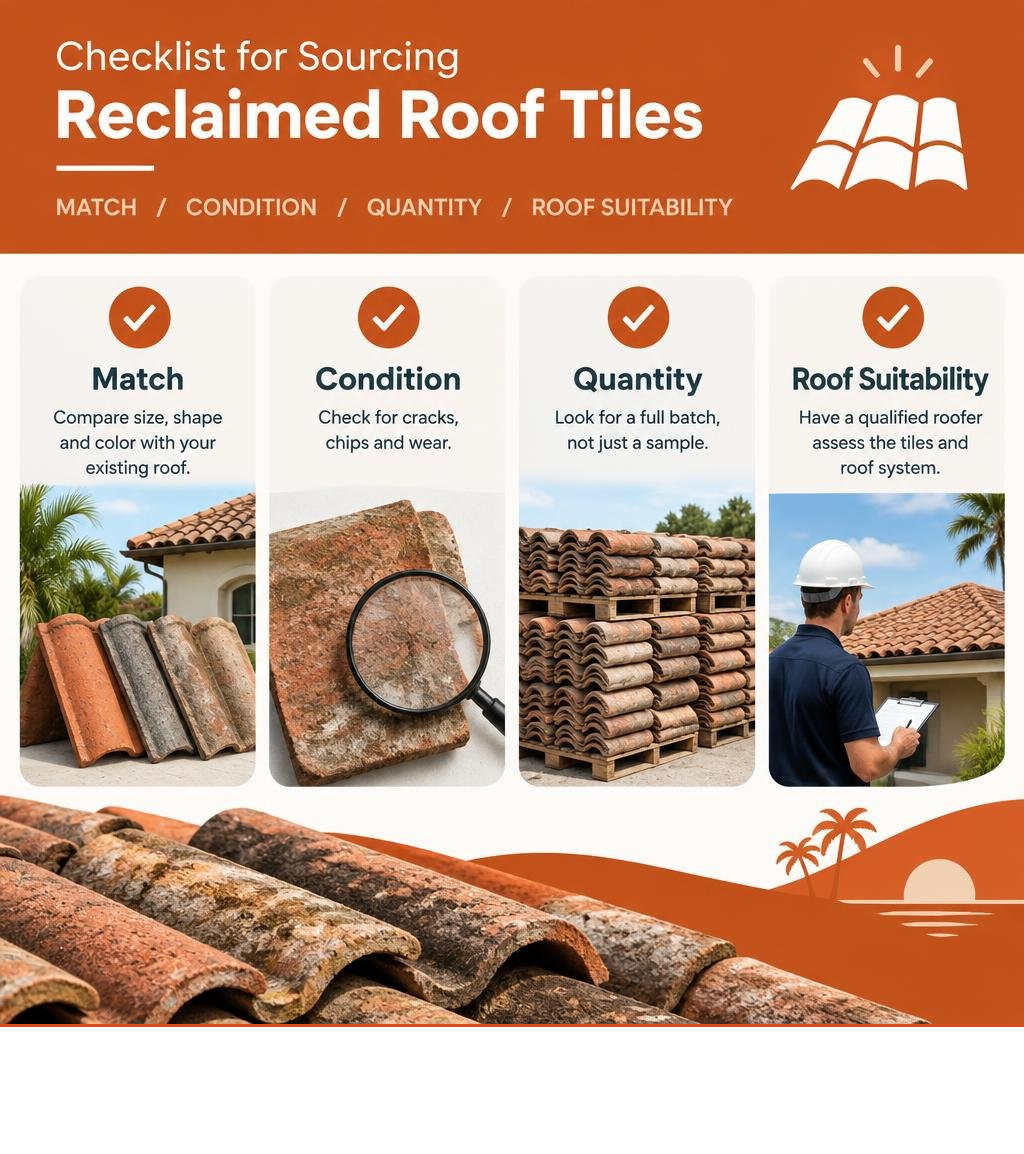
For homeowners weighing salvaged materials against a full tile roofing system, the same grading standards apply whether the tiles are new or reclaimed. Profiles such as interlocking clay roof tiles and concrete tiles with proven impact strength still need to be evaluated for coastal wind and rain performance before installation.
What Are Reclaimed Roof Tiles and Why Choose Them?
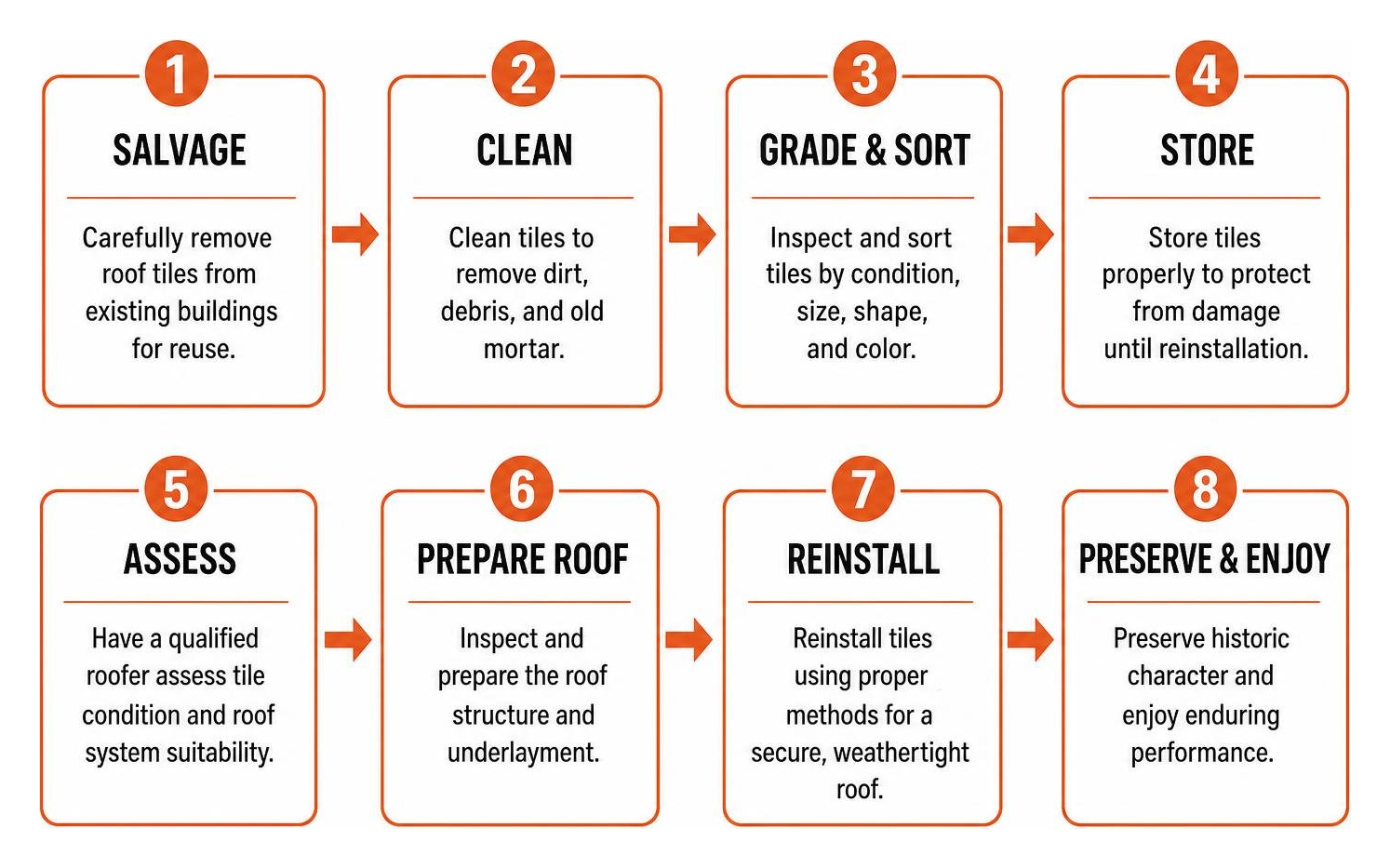
Reclaimed roof tiles are salvaged architectural components that have been carefully removed from existing buildings, cleaned, graded, and prepared for reinstallation. Rather than ending up in a local landfill, these durable materials get a second life protecting modern structures. Homeowners across Melbourne, Palm Bay, and Cocoa often choose salvaged materials for historic preservation, environmental responsibility, and unmatched visual character.
The primary appeal lies in historic authenticity. Modern mass manufacturing methods cannot replicate the natural, weathered patina developed through decades of sun exposure and atmospheric seasoning. Salvaged terracotta and slate develop organic tonal shifts, soft surface textures, and subtle edge variations that blend seamlessly into older structures.
Beyond aesthetics, salvage products represent an eco-conscious building strategy. Reusing existing building elements diverts heavy masonry waste from disposal sites and drastically reduces the embodied carbon associated with firing new clay kilns or quarrying natural stone. Understanding traditional peg tile roof construction demonstrates how these historic mechanical fastening methods allowed materials to last across multiple generations. When you source salvaged pieces alongside premium architectural roof tiles, you preserve regional heritage while supporting a circular construction economy.
Key Types and Profiles of Salvaged Roofing Tiles
Salvaged roofing comes in three core material types: natural clay terracotta, quarried slate, and vintage concrete. Each material brings distinct characteristics regarding weight, weather tolerance, and historic profile shapes.
| Tile Material | Typical Lifespan | Average Weight per Sq. Ft. | Rarity & Availability | Best Suited For |
|---|---|---|---|---|
| Natural Slate | 100+ Years | 8.0 – 15.0 lbs | High / Regional Yards | Coastal estates, historic restorations |
| Clay Terracotta | 50 – 100+ Years | 8.5 – 12.0 lbs | Moderate to High | Mediterranean, Spanish Revival, craftsman |
| Vintage Concrete | 40 – 60 Years | 9.0 – 13.5 lbs | Readily Available | Mid-century repairs, 1970s–1980s extensions |
Identifying Quality Reclaimed Roof Tiles Made of Clay or Concrete
Clay and concrete tiles exist in dozens of profiles developed over the last two centuries. Among clay profiles, hand-formed plain tiles, dense blue clays, and machine-pressed flat clay tiles remain popular for heritage renovations. Historic double roman roof tiles feature a distinctive twin-roll design that channels water efficiently during heavy subtropical downpours.
Salvaged concrete lines, such as older concrete interlocking pantiles, are frequently sought after when an original manufacturer has discontinued a specific profile or coloration. Because older concrete profiles were manufactured under different dimensional standards than modern profiles, locating an exact salvaged match prevents the need for mismatched patches across a roof plane.
Natural Slate and Historic Specialty Profiles
Natural slate is a dense, metamorphic rock quarried from distinct geological formations. Authentic slates from historic regional or imported quarries carry unique mineral veining that changes subtly with age. When evaluating salvaged slate, checking for delamination along the cleavage planes is essential to ensure the stone retains its structural density.
Specialty architectural clay elements include authentic barrel tiles, imbrex and tegula tiles, and decorative ridge caps. Heavy clay hogs back ridge pieces and interlocking hip caps provide both architectural flair and mechanical defense at the roof peaks.
How to Inspect and Grade Reclaimed Tiles in the Field
Never purchase a batch of salvaged tiles without conducting hands-on grading. Individual pieces may look sound on top of a pallet while concealing internal stress fractures from building settling or careless salvage tear-offs.
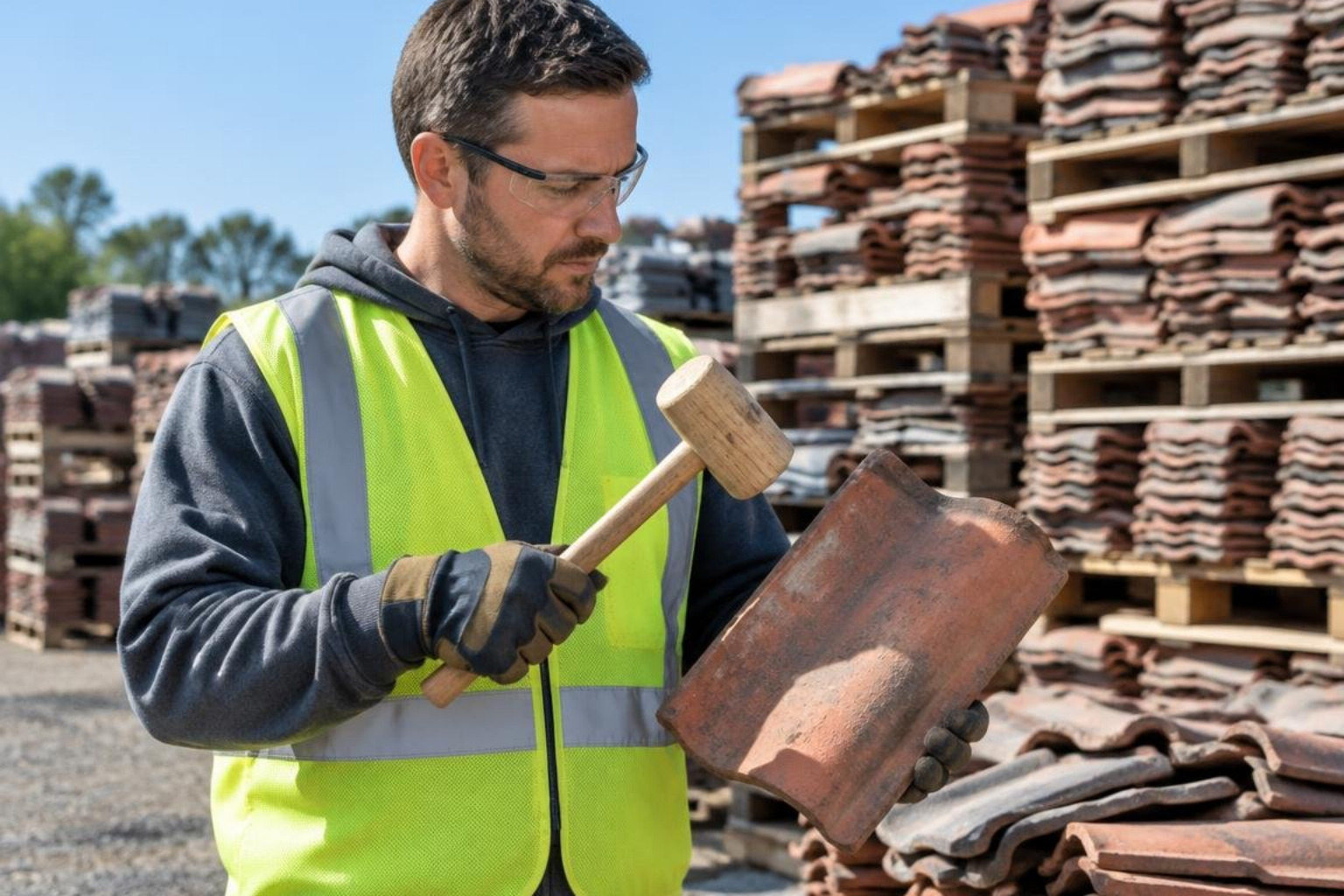
The most reliable non-destructive evaluation is the acoustic ring test. When tapped lightly with a wooden mallet or small knuckle, a dense, sound clay or slate tile emits a clear, bell-like ring. A dull thud or vibrating rattle indicates hidden interior cracks, structural delamination, or internal decay. Following professional roof inspection guidelines helps property owners identify these material flaws before investing in installation labor.
Field Inspection Protocols for Reclaimed Roof Tiles
When evaluating reclaimed roof tiles on-site in Rockledge or Titusville, inspect the pieces against four physical benchmarks:
- Efflorescence and Surface Mineralization: White powdery deposits indicate that water has migrated through the tile body, potentially weakening the internal matrix.
- Spalling and Flaking: Check if surface layers are separating from the core. Flaking clay indicates prior moisture saturation or internal material flaws.
- Nail Hole Wear and Nib Condition: Examine the top mounting holes and hanging nibs. Enlarged nail holes or broken nibs prevent secure fastening against coastal wind loads.
- Camber and Warping: Lay several tiles on a flat surface to check for excessive distortion that could break the interlocking weather seal.
Sizing Variations and Discontinued Profile Matching
Historic clay tiles shrink unpredictably during the initial kiln firing, meaning dimensional variations of an eighth of an inch or more are common within older batches. When integrating salvaged interlocking roof tiles into an existing field, verify the locking channels line up cleanly without binding. Ordering a ten to fifteen percent overage ensures your installer has enough matching units to cull imperfect pieces and maintain straight coursing lines.
Sourcing, Costs, and Installation Considerations
Salvaged roofing materials can be obtained from specialty salvage yards, architectural demolition contractors, and heritage building brokers. Because material supply depends entirely on regional tear-offs, inventory fluctuates constantly.
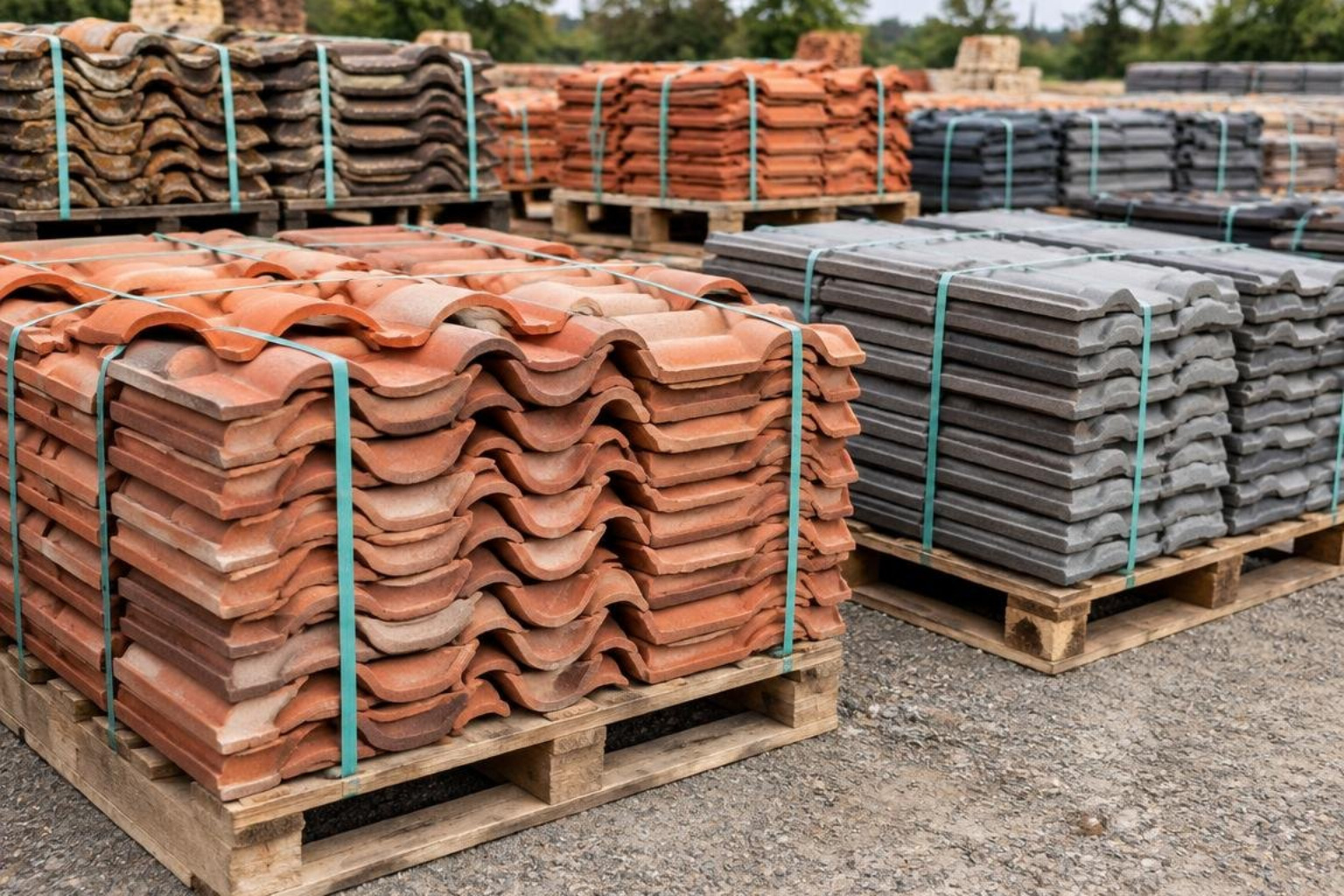
Pricing for salvaged tiles is highly variable and depends on material type, age, profile rarity, batch consistency, and freight distance. Single common concrete or clay field tiles may carry modest individual unit costs, while rare handmade ridge fittings or imported historic terracotta command substantial premiums. All roofing project costs are variable and require an on-site professional evaluation of framing, access, and layout.
Essential Questions to Ask Salvage Dealers
- Can you verify the building type and geographic origin where these tiles were removed?
- Was the batch sorted and graded by hand, or packed directly from a bulk demolition site?
- What is the confirmed breakage rate during freight transit to the Space Coast?
- Do you have enough matching units from the exact same production run to cover the planned square footage?
Structural and Building Code Considerations
Heavy roofing materials place significant structural demands on underlying roof trusses. Before installing heavy clay or slate systems, a structural assessment must verify that the framing can support the dead load. In coastal areas subject to high winds, tile roofs rely on modern waterproofing underlayments, specialized foam adhesives, or mechanical fasteners to meet local building department guidelines. Referencing official interpretations from the Florida Building Commission illustrates how existing roofing materials must comply with local wind-resistance standards during alterations and additions.
When planning a broader restoration, you can explore whether a targeted repair or a complete roof replacement delivers better long-term value for your property’s age and structural configuration.
Frequently Asked Questions About Salvaged Roof Materials
How long do salvaged clay and slate tiles typically last?
Quarried natural slate can easily last over a century with regular maintenance, while well-fired clay terracotta tiles commonly achieve lifespans between 50 and 100 years. Vintage concrete tiles typically last 40 to 60 years. In coastal Florida environments, the tiles often outlast the underlying waterproof membrane, which may require replacement every two to three decades while the surface tiles are carefully salvaged and reinstalled.
How do prices for salvaged tiles compare to new roofing materials?
Salvaged tile costs vary widely based on rarity, condition, and transport logistics. Standard discontinued field tiles can sometimes be sourced at lower unit prices than new custom manufacturing runs. However, historic specialty pieces, imported French terracotta, and rare slate profiles carry significant premiums due to limited market availability. Additional costs include specialized hand sorting, higher breakage allowances, and freight shipping.
Can salvaged tiles meet modern building codes and hurricane wind requirements?
Yes, but compliance depends on the condition of the salvaged tile and the modern attachment system used. Reclaimed tiles must be free from structural micro-cracks and have intact fastening points. Local building departments evaluate tile installations based on wind uplift resistance, fastener pullout strength, and the quality of the modern self-adhering underlayment installed beneath the tile matrix.
Conclusion
Sourcing salvaged roofing materials allows homeowners on the Space Coast to protect their homes with authentic character and proven architectural history. Whether you are executing a historic restoration in Melbourne or matching a discontinued profile in Viera or Sebastian, success relies on careful physical grading, proper batch sizing, and structural verification. For homeowners considering a dedicated tile roofing installation, partnering with an experienced residential contractor ensures your roof balances vintage charm with modern wind and water protection.